vrf vs split ac
Product Description: VRF vs Split AC Systems
Product Description
Product Description: VRF vs Split AC Systems
Introduction:Upgrade your climate control solutions with our advanced VRF (Variable Refrigerant Flow) and Split AC systems, designed for commercial and residential applications. These cutting-edge systems provide efficient, customizable, and environmentally friendly temperature regulation to enhance comfort while optimizing energy consumption. Available in diverse specifications, our products cater to various indoor environments, ensuring an effective solution for any setting.
Unique Features:
- Energy Efficiency: Both VRF and Split AC systems boast high SEER ratings, drastically reducing energy costs while maintaining optimal performance.
- Flexible Design: With modular configurations, the VRF system can accommodate multiple indoor units connected to one outdoor unit, while Split AC systems are suitable for smaller spaces requiring individual temperature controls.
- Quiet Operation: Engineered for silence, our systems minimize noise disruption, ensuring a pleasant atmosphere in work and living spaces.
- Smart Technology Integration: Some models come with AI-driven temperature control and smart connectivity, allowing users to manage their systems remotely through mobile applications.
Specifications:
- Materials: Made from high-quality, corrosion-resistant metals and durable components to ensure longevity and reliability across varying environmental conditions.
- Sizes:
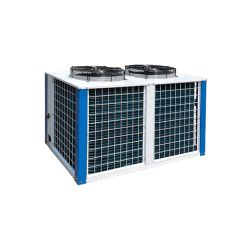
- VRF System: Available in capacities ranging from 10 to 30 tons, suitable for commercial buildings.
- Split AC: Ranges from 1 ton to 5 tons, ideal for individual rooms or small commercial spaces.
- Weight: VRF outdoor units weigh approximately 250-800 lbs, while Split AC units are lighter, averaging around 60-150 lbs.
- Performance:
- Cooling Efficiency: VRF systems can provide simultaneous heating and cooling, achieving energy efficiency ratings of up to 20% better compared to conventional systems.
- Split AC cooling capabilities: Known for rapid cooling times and reliable airflow distribution.
Problem-Solving & User Benefits:Both the VRF and Split AC systems address common temperature control issues faced by businesses and homeowners. The VRF system's ability to adapt to varying load conditions means it efficiently manages energy use, which directly translates into lower utility bills. On the other hand, the Split AC system offers personalized comfort for individuals, allowing users to set specific temperatures for individual spaces, enhancing overall satisfaction.
With these systems, customers can expect improved air quality, significant energy savings, and a sophisticated climate control solution that aligns with modern lifestyles and business needs. Experience the future of air conditioning with our reliable, efficient, and customizable systems.
Related Products:vrf vs split ac, Hvac Industrial Systems