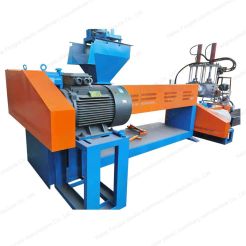
Water-Cooled Chiller Vs Air-Cooled Chiller
Are you ready to elevate your cooling efficiency to new heights? Whether you are managing a commercial complex, an industrial facility, or any environment needing consistent cooling, choosing the right chiller is crucial
Product Description
Discover the Ultimate Cooling Solution: Water-Cooled Chillers vs. Air-Cooled Chillers
Are you ready to elevate your cooling efficiency to new heights? Whether you are managing a commercial complex, an industrial facility, or any environment needing consistent cooling, choosing the right chiller is crucial. Let’s dive into the key differences between Water-Cooled and Air-Cooled Chillers, helping you make an informed decision for your cooling needs.
Water-Cooled Chillers: Performance Meets Efficiency
Parameters & Specifications:
- Cooling Capacity: Ranges from 50 tons to over 1,000 tons
- Efficiency Rating: Up to 0.5 kW/ton (for high-efficiency models)
- Operating Temperature Range: 30°F to 50°F (coolant temperature)
- Condensing Temperature: Lower than air-cooled options, enabling better performance in high load conditions
- Water Source: Requires an external water source (tower or cooling body)
Key Advantages:
- Superior Efficiency: Leveraging water for heat exchange allows for greater energy efficiency, making water-cooled chillers ideal for large installations where performance is paramount.
- Space-Saving Design: Typically installed in a mechanical room, these units can free up valuable outdoor space that air-cooled units would occupy.
- Quiet Operation: Water-cooled chillers operate more quietly than their air-cooled counterparts, providing a peaceful environment for tenants and workers.
Applications:Perfect for large commercial buildings, industrial plants, data centers, and areas where noise and space are of concern.
Air-Cooled Chillers: Flexibility and Simplicity
Parameters & Specifications:
- Cooling Capacity: Typically ranges from 10 tons to 500 tons
- Efficiency Rating: Generally around 0.6 kW/ton
- Operating Temperature Range: 35°F to 55°F
- Condensing Temperature: Higher than water-cooled models, suitable for moderate cooling loads
Key Advantages:
- Easy Installation: Air-cooled chillers are simpler to install as they do not require water source integration, making them a flexible choice wherever there’s limited space or water access.
- Lower Initial Costs: Typically, these units come at a lower upfront cost, making them accessible for smaller businesses or facilities.
- Minimal Maintenance: Air-cooled systems require less maintenance compared to water-cooled options, allowing your staff to focus on other important operational tasks.
Applications:Ideal for small to medium-sized commercial buildings, schools, and applications where installation costs need to be kept in check without sacrificing cooling capabilities.
Choosing the Right Chiller for Your Needs
Selecting between a water-cooled and air-cooled chiller depends on your specific use case scenarios. If efficiency, performance, and long-term savings are your goals, a Water-Cooled Chiller is your best bet. However, for flexibility, lower installation costs, and ease of maintenance, look no further than Air-Cooled Chillers.
Our Commitment to You
At [Your Company Name], we understand that every project is unique. Our expert team is here to guide you through the decision-making process, providing tailored solutions that meet your cooling requirements. With cutting-edge technology and superior customer service, we ensure that you will receive the best value for your investment.
Transform your cooling efficiency today! Contact us for a personalized consultation and let us help you select the perfect chiller that meets your business's needs.
Related Products:Water-Cooled Chiller Vs Air-Cooled Chiller, How Air Cooled Chiller Works